Catalogue partner:WWTop Yupoo— 744 photographed listings read from wwtopyupoo.comReviewed 27 October 2026
Album
SharkBreeder Yupoo
Keyword
sharkbreeder yupoo
Page recipe
journal

Seller album · sharkbreeder yupoo

SharkBreeder Yupoo (“shark breeder yupoo”): sets and fleece weight

SharkBreeder is searched two ways — one word and two — and both spellings land on the same album. The catalogue is built around sets and heavy fleece, so the useful checks are about weight, cuffs and wash, not about logos.

QC

The four-point check for SharkBreeder

  • Check the rib recovery

    Ask for a photo of the cuff stretched and released. Rib that stays open is rib that will stay open on your wrist.

  • Ask about pre-shrink treatment

    One question — "is the fleece pre-shrunk, and what is the expected shrink after a cold wash?" — prevents the most common disappointment.

Reading order

How to read the SharkBreeder album

The order matters: each step removes something you would otherwise have to guess.

  1. Confirm the host before anything else

    Two spellings invite mirror sites. The album lives on a yupoo.com host; if the address bar shows anything else, you are on a copy.

  2. Read loop density on the inside frame

    Zoom the inner fleece. Dense, even loops hold shape; loose, hairy loops pill within a month.

  3. Ask for the set weight in grams

    A pair weight tells you the fabric class faster than any description. Ask for top and bottom separately if you can.

3

Reasons the album is worth opening

  • Set-led listings show the top and the bottom together, which is the only way to judge whether a set actually matches in tone and weight.
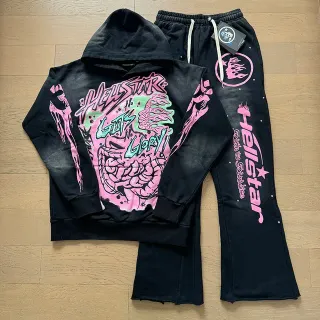
  • Fleece is photographed close enough to read the loop density on the inside. That is the detail that separates a 380 gsm hoodie from a 250 gsm one.
  • Cuff and hem ribbing gets its own frame on most listings, so you can see whether the rib recovers or stays stretched.
3

Reasons to keep asking questions

  • Sets are often quoted as a pair. If you want only the hoodie, ask before assuming a split price exists.
  • The two spellings split search volume, which is why some threads link to a mirror domain instead of the album. Always confirm the host in the URL.
  • Wash behaviour cannot be photographed. Shrinkage after the first wash is the most common complaint and the least visible on a listing.

Catalogue evidence

What SharkBreeder links to, seen at real size

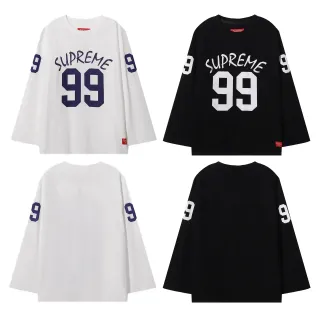
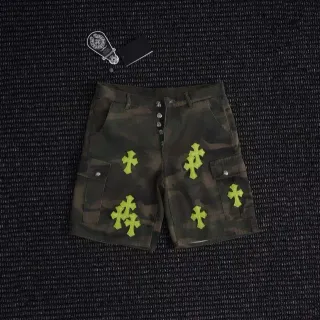
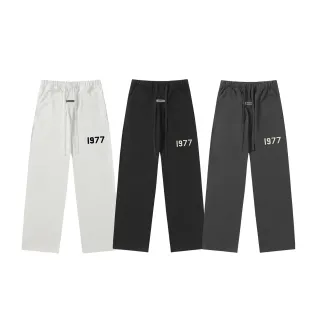
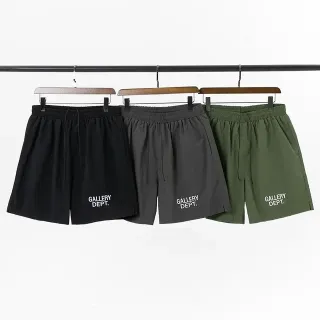
Nine listings from WWTop Yupoo that sit in the same lane as this album. The photo count on each card is the number of frames you would get before paying.

Product photos and links belong to WWTop Yupoo; each link carries ref=yupoo.asia.Each image links to its listing on the promoted site with this site’s referral parameter.

Overlap

Brands that show up alongside SharkBreeder

Sellers overlap on the big houses, which is exactly what makes a side-by-side comparison possible. Each brand page explains what to look at once you are inside.

Album facts

What can be stated without guessing

  • Spellingssharkbreeder / shark breeder
  • Catalogue shapeSet-led, fleece-heavy
  • Photo strengthLoop density, ribbing
  • PricingOff-album, often per set
  • Weak spotWash and shrink data
  • Best forHoodie and sweat sets

FAQ

SharkBreeder questions

Is sharkbreeder the same as shark breeder?

Yes. It is one seller name with two common spellings, which is why both keywords are treated as a single page here instead of two near-duplicate pages.

Why do some links use a different domain?

Mirror and repost sites copy album photos and swap the host to capture traffic. The album host is the tell: check it before you pay anyone.

Are the sets sold together?

Often, but not always. Ask for the split price and the split weight before you assume a set quote covers both pieces.

sharkbreeder yupooshark breeder yupooyupoodreamremake yupootopgoosey yupoosharkbreeder hoodie setyupoo fleece weightyupoo cuff ribbingshark breeder album

Core terms are taken from this site’s eighteen-keyword map; the rest are page-specific long-tail phrases. Google stopped using the meta keywords tag as a ranking signal in 2009 — the tag is still emitted for other engines and for editorial discipline, but ranking comes from the title, the H1, the first paragraph, internal anchors and the body copy.