Guide 02 · Core skill
Yupoo sizing: the label is a rumour, the tape is the specification
A Yupoo listing can tell you the colourway, the batch and the brand. It will almost never tell you the chest width — and that is the only number that decides whether the garment fits. Five flat measurements, taken the same way every time, replace the size letter entirely.
| Measurements | 5 |
|---|---|
| Typical letter drift | ±1 size |
| Tolerance (knit) | 1 cm |
Why letters fail
The same letter, three different garments
Below are three real patterns from catalogue listings plus a reference you measure yourself. Nothing here is unusual: an oversized L and a slim M are both sold as L, because the letter is chosen by the seller, not derived from the pattern.
| Listing | Label | Chest (flat, doubled) | Length | What it actually is |
|---|---|---|---|---|
| Seller A | L | 56 cm | 70 cm | Normal for a slim L |
| Seller B | L | 60 cm | 72 cm | An oversized L, roughly a retail XL |
| Seller C | L | 52 cm | 66 cm | A retail M sold as L |
| Your best tee | — | 54 cm | 69 cm | The reference you should use |
The fourth row is your own garment. Until you have it measured, every comparison above is theoretical.
The worksheet
Five numbers, taken in this order
Take them on a garment you already wear, write them down, and keep the note. Every future listing becomes a comparison against that sheet instead of a guess about a letter.
- A
Chest
Lay the garment flat, button or zip closed, and measure seam to seam one finger below the armpit. Double it.
Why The only number that predicts whether you can close the garment without strain.
Trap Sellers sometimes quote half-chest. Ask which — the difference is a whole size.
- B
Shoulder
Seam to seam across the back, at the highest point of the shoulder line.
Why Decides where the sleeve starts. Two centimetres of drop changes a whole silhouette.
Trap Raglan sleeves have no shoulder seam. Ask for the cross-back instead.
- C
Body length
From the highest shoulder point, or from the collar base if stated, straight down to the hem.
Why Whether a tee ends at the hip or the thigh.
Trap Measurements from collar and from shoulder differ by up to 4 cm. Ask which convention.
- D
Sleeve
Shoulder seam to cuff along the outside of the sleeve, arm relaxed.
Why The difference between a sleeve that breaks at the wrist and one that swallows your hand.
Trap A bent-arm measurement reads long. Ask for the sleeve laid flat.
- E
Waist and inseam
Waist flat across the top band, doubled. Inseam from crotch seam to hem, inside leg.
Why Pants live or die on these two, and neither appears in most listings.
Trap A stretched waistband reads wide. Ask for it relaxed.
Sneakers
For shoes, only insole length matters
Every other figure — EU, US, UK, “runs small” — is a convention. Ask for the insole length in centimetres and compare it with the insole of a pair that fits.
| Label | Insole, seller 1 | Insole, seller 2 | Reading |
|---|---|---|---|
| EU 42 | 26.0 cm | 26.5 cm | Same label, different foot |
| EU 43 | 27.0 cm | 27.5 cm | Half-size drift is normal |
| EU 44 | 28.0 cm | 28.0 cm | Consistent |
| US 9 | 26.5 cm | 27.0 cm | Different market, different last |
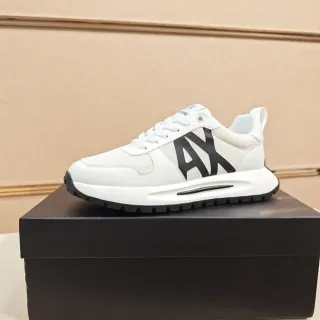 5 photosArmani ExchangeArmani Exchange AX Logo White and Black Lifestyle SneakersSee listing at wwtopyupoo.com
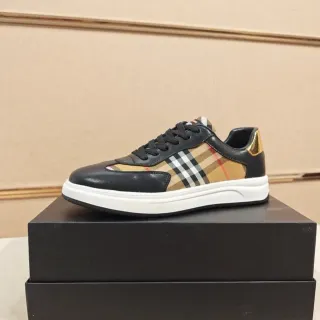 5 photosBurberryBurberry House Check Low-Top Lifestyle SneakerSee listing at wwtopyupoo.com
The one-line request
“Could you send the insole length in centimetres for this size, measured heel to toe?”
That sentence works on any seller because it asks for a number, not for an opinion about fit.
Open the sneaker block (opens wwtopyupoo.com in a new tab)Worked examples
Garments to practise on
Pick two of these from the same category and ask both sellers for the same five numbers. The difference between the answers is the drift you have to plan around.
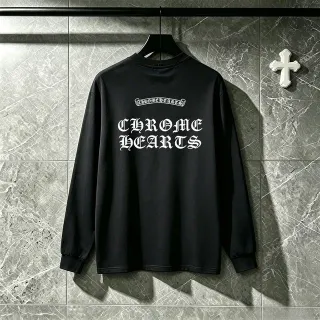 8 photosChrome HeartsChrome Hearts Back-Printed Gothic Logo Long-Sleeve T-ShirtSee listing at wwtopyupoo.com
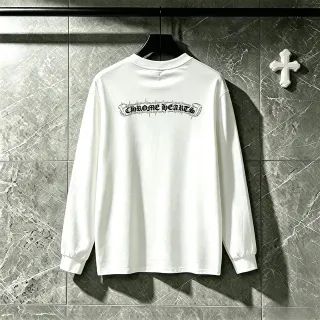 8 photosChrome HeartsChrome Hearts Back-Printed Gothic Logo White Long-Sleeve T-ShirtSee listing at wwtopyupoo.com
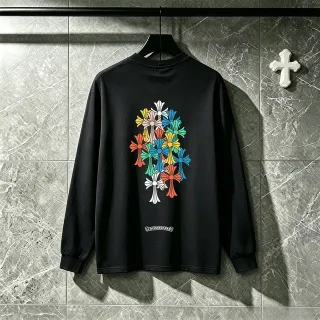 13 photosChrome HeartsChrome Hearts Black Multicolor Long-Sleeve Crewneck T-ShirtSee listing at wwtopyupoo.com
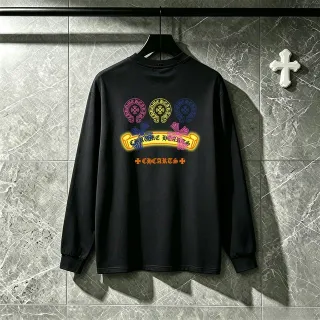 8 photosChrome HeartsChrome Hearts CHCARTS Graphic Print Black Long-Sleeve T-ShirtSee listing at wwtopyupoo.com
Sources
Sources and further reading
These are the primary sources behind the claims about customs, consumer rights and complaints. They are independent of this site and of the promoted catalogue.
| Reference | Publisher | Why it is here |
|---|---|---|
| Consumer protection rights (opens GOV.UK in a new tab) | GOV.UK | The UK baseline for refunds, faulty goods and chargebacks — useful when deciding whether a dispute is worth opening. |
| Shopping in the EU: your consumer rights (opens European Commission (Your Europe) in a new tab) | European Commission (Your Europe) | What EU consumer law actually guarantees, and where a private cross-border purchase falls outside it. |
FAQ
Sizing questions
Why not just buy my usual size?
Because “L” is not a measurement. Across four sellers in one category you can find three different chest widths under the same letter; your usual size is only meaningful inside a single brand.
What if the seller refuses to measure?
Treat it as information. A seller who will not put a tape on a garment is telling you they do not want to be held to a number — which is the exact thing you need before paying.
Do I need a tape measure?
Yes, a cheap one. Guessing from a favourite garment in a mirror defeats the point; the reference has to be a number you measured yourself.
How much tolerance should I allow?
One centimetre for knits, half a centimetre for woven, two for anything with a stated shrink rate. Add the tolerance to your own reference, not to the seller’s claim.
Are size chart images reliable?
They are the best thing an album can offer and still only approximate: most are copied between listings. Compare the chart with the measurement frame — if they disagree, believe the tape.
The order of operations
Measure one garment you already like. Ask for the same five numbers. Compare, add tolerance, then decide. If the seller answers with a letter instead of numbers, the honest reading is that no measurement exists — and that the QC photos will be your only chance to catch it.
Which is why the next guide exists: requesting QC photos that work turns the measurement request into a verification step.