Catalogue partner:WWTop Yupoo— 744 photographed listings read from wwtopyupoo.comReviewed 27 October 2026

Brand file · louis vuitton yupoo

Louis Vuitton Yupoo: canvas alignment, plating and the lining question

The largest brand in most Yupoo catalogues is also the one with the most copies of copies. Canvas alignment at the seams and hardware plating are the only two things a photo reliably reports.

Catalogue

Louis Vuitton as the catalogue actually files it

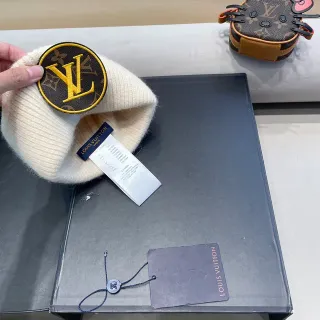
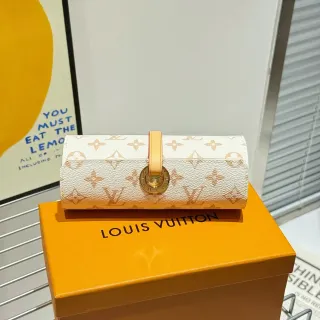
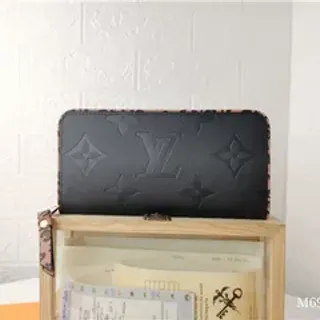
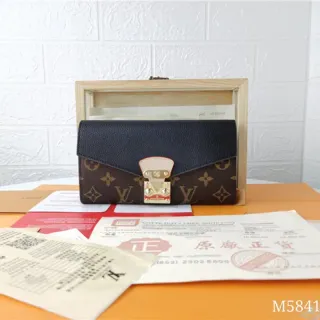
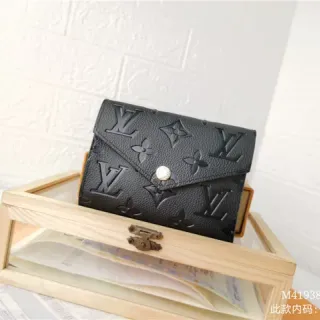
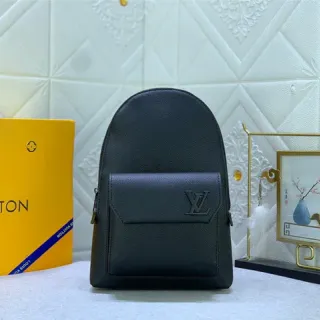
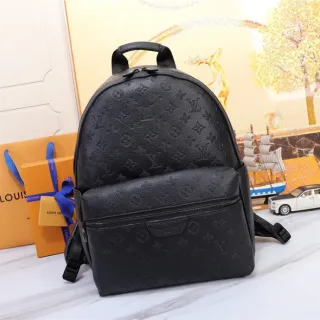
Twelve Louis Vuitton listings from the catalogue, with photo counts visible so you can see how much evidence each one carries.

Photographs and listings belong to WWTop Yupoo; every link carries ref=yupoo.asia.Each image links to its listing on the promoted site with this site’s referral parameter.

What to look at

Three parts of a Louis Vuitton listing that carry evidence

  • 01

    Follow the monogram across a seam

    A good build continues the pattern through the join. A bad one restarts it. This is visible in any corner photo.

  • 02

    Ask for the hardware from below

    Plating wears at the base of a clasp first. A frame of the underside tells you more than a front hero shot.

  • 03

    Ask for the bag empty

    Stuffed bags hide slumping. One frame empty shows whether the body holds its shape.

Word for word

Two messages that get a usable answer

Copy these, replace nothing, and you will get a photo instead of a promise.

  • “Can you photograph the corner seam with the monogram visible?”

    Pattern continuity is the clearest construction signal.

  • “What is the bag’s weight in grams?”

    Hardware mass separates a solid build from a light one.

Where it sits

Louis Vuitton is searched for in 4 contexts

The same house asks a different question depending on the product. Open the category that matches what you are buying, because the checks do not transfer.

Albums

Where the brand turns up

Field notes

Louis Vuitton details that only a close frame settles

Three observations about Louis Vuitton materials, written from the frames these albums actually publish. They apply to the listing you are reading now, whichever seller is behind it.

01

Canvas alignment is a geometry test you can run in a browser

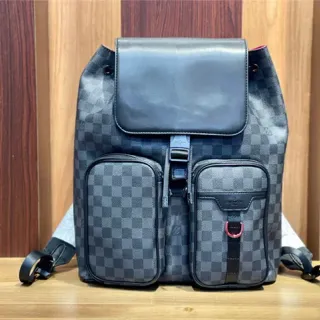
Monogram rows should cross a seam at the same height on both sides, and the symbol spacing should stay constant across the body, the flap and the pocket. Ask for one frame straight on, camera level with the centre of the bag, plus one of the seam line itself. A camera held high or off-axis bends every row, which is exactly how an album hides a misaligned panel.

02

Plating reads as tone in one frame and weight in none

Hardware tone is photographable: brass should read warm and even across the buckle, the rivets and the zipper pull, without one piece reading yellower than the rest. Plating thickness, engraving crispness on the underside and how the finish wears at the corners are not. Ask for the hardware in daylight rather than studio light, and for the zipper pull from the side, where the stamping depth is easiest to see.

03

The lining question is a stitching question

Inside the bag is where a listing usually goes quiet. Ask for the interior label in focus, the seam allowance behind it, and the lining surface at an angle so its sheen can be judged. A canvas lining and a textile lining reflect differently, and a stamped date code has soft edges while a printed one sits on the surface. Those three frames are the cheapest part of the inspection and the one most albums skip.
FAQ

Louis Vuitton questions

Do Yupoo Louis Vuitton listings include date codes?

Some do, some do not, and a photographed code proves little on its own. Ask for the code in writing so it can be checked against the seller’s own records.

Which LV category is safest to start with?

Small leather goods and accessories, because the amount at risk is lower and the construction is easier to photograph.

yupooyishan yupootopgoosey yupoowwtop yupookoala yupoolv canvas alignmentlouis vuitton date codelv hardware platinglv bag lining check

Core terms are taken from this site’s eighteen-keyword map; the rest are page-specific long-tail phrases. Google stopped using the meta keywords tag as a ranking signal in 2009 — the tag is still emitted for other engines and for editorial discipline, but ranking comes from the title, the H1, the first paragraph, internal anchors and the body copy.